.webp)

What is Stormwater?
Stormwater is rainwater or melted snow that runs off streets, lawns, and other surfaces after it rains or snows. It can also include water that soaks into the ground but then flows into streams and rivers or replenishes aquifers. Stormwater can also evaporate back into the atmosphere.
.gif)
What stormwater infrastructure does Spalding County have?
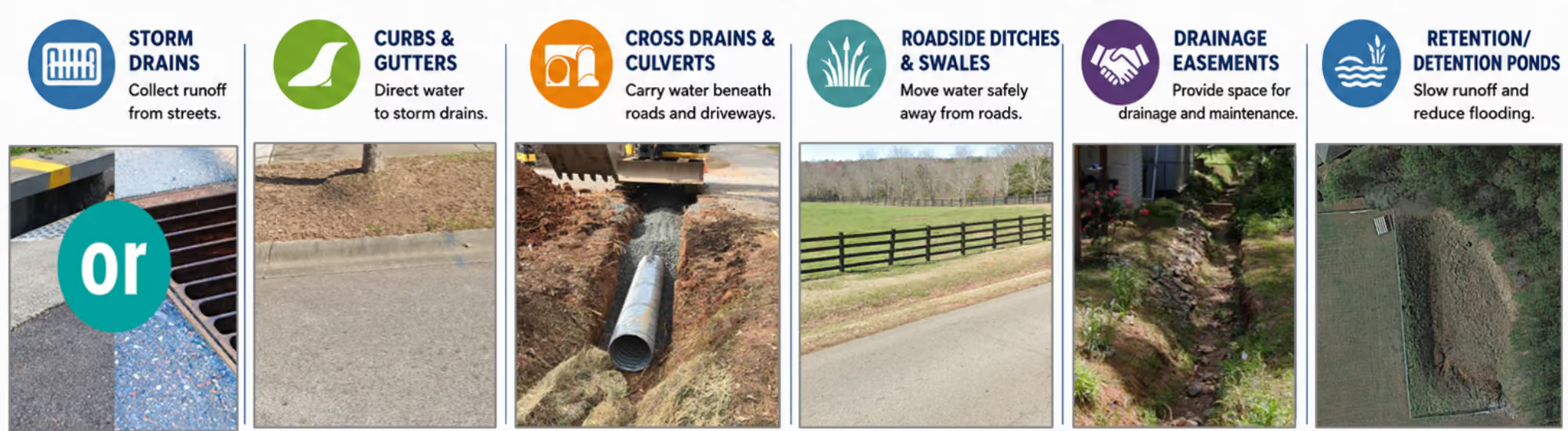
Stormwater Basics
In undeveloped areas, precipitation soaks into the ground. When buildings, parking lots, roads and other impervious surfaces are added to the landscape, the ground cannot absorb the water. Water from rainfall, or stormwater, instead flows over land, streets, parking lots and roofs and into a water bodies or storm drains.
Stormwater runoff can contain pollutants from the area it runs through. Because stormwater flows over hard surfaces directly into a water body or storm drain, there is no opportunity for soil and plants or a water treatment facility to filter out pollutants. Urban and suburban areas produce much more stormwater runoff due to the high amount of paved and hard surfaces that can lead to issues such as:
Flooding
When excess water has nowhere to go, flooding can impact property and cause damage to land and structures. Flooding can also be a public safety issue that affects entire communities.
Pollution and Health Impacts
Stormwater picks up anything that is on the ground and carries it along with it. Animal waste, chemicals, pesticides, oil, and sediment – all end up in waterways and potentially in our sources of drinking water.
Streambank Erosion
Uncontrolled stormwater can cause streambank erosion, leaving bare soil and exposing tree roots. This can lead to property damage and cause issues with streambank stability.
Sedimentation
Erosion and runoff can also lead to sedimentation. Sedimentation in waterways from runoff causes changes to aquatic habitats. Undesirable plant growth increases, water becomes more turbid or cloudy which leads to disruption of aquatic ecosystems. Sedimentation also fills in waterways, which can increase flooding potential.
MS4 Phase II
An MS4 Phase II designation means the county must apply for a permit and develop a Stormwater Management Program (SWMP) to deal with non-point source runoff (stormwater)
SWMP
SWMP stands for Stormwater Management Plan
It requires Spalding County to:
- Inventory and inspect drainage networks
- Pass anti-dumping laws
- Manage run-off from construction sites
- Implement public education programs
- Enforce water retention standards
- Complete an annual reportand more...
Ordinance
Spalding County adopted a Stormwater Utility (SWU) Enterprise Fund Ordinance on August 3, 2026.
The goal of the SWU is to protect the health and safety of the public by managing critical stormwater infrastructure such as inlets, culverts, ditches, and pipes and comply with all other Phase II requirements.
Utility
In order to fund the work required of our MS4 permit and SWMP, and continue to be a Local Issuing Authority (LIA) an enterprise fund will be established. A utility rate based on the amount impervious surface located on each property is the most appropriate and equitable means of allocating the cost of stormwater management services throughout the County.
Spalding County BOC granted a 38% legacy discount for detached-dwelling property owners for the 2026 period of operation of the SWU.
Rates & Credits
.avif)


You are leaving our website. We cannot be held responsible for the content of external websites.